
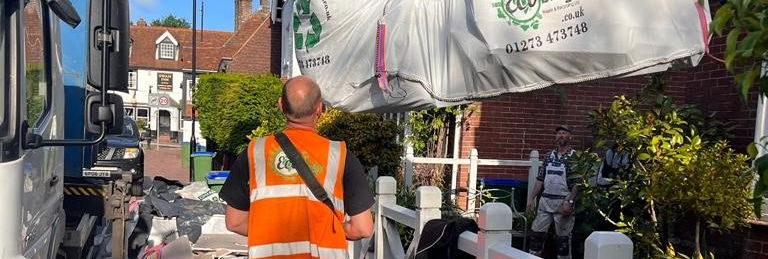
Clearing out a loft, gutting a kitchen, or tackling a garden overgrown after years of neglect all produce the same result: a genuinely overwhelming pile of waste that needs somewhere to go. This is where skip bags come to the rescue.
Skip bags offer the kind of flexibility that traditional skips can never match. However, not everything can be tossed in without a second thought. Understanding what’s genuinely allowed in skip bags helps avoid complications. This is precisely why people sourcing skip bags in Hastings benefit from knowing the rules prior to it all.
What Generally Goes In Without Issue
Skip bags are perfect for handling everyday household/ renovation wastes. General household clutter and garden waste like branches and soil, construction debris from smaller renovation projects such as plasterboard offcuts, old kitchen units, and broken tiles, typically fill these bags without a problem.
Understanding weight limits matters just as much. Heavier materials such as soil or other aggregates need to stay below a certain percentage of the bag’s total volume. Exceeding the bag’s safe weight limits can make the bag unsafe to lift/ transport, irrespective of how much physical space remains inside it.
What Typically Can’t Go In
Certain items are restricted across all skip bag services. This is largely due to safety and environmental concerns/ regulations. Hazardous materials such as asbestos, paint tins, chemicals, and gas canisters usually can’t go into a standard skip bag at all. That’s because they need special handling and their disposal has to be separate from general waste.
Electrical items, including fridge/ freezers and other appliances involving refrigerants, also fall outside what’s accepted. Such items have dedicated recycling processes. Tyres and batteries face similar restrictions as well.
Choosing the Right Size for the Job
Skip bags are available in a range of sizes, and choosing incorrectly often means either paying more or running out of space. Not sure which one you should go for? Well, smaller bags, around one cubic yard, suit modest garden clearances or minor domestic jobs, while larger options can comfortably handle kitchen/ bathroom renovations, or larger-scale tree clearance work.
In short, considering the scope of the project is an absolute must. It helps avoid the inconvenience of needing a second bag delivered partway through. Providers offering skip bags in Hastings can typically advise on appropriate sizing based on project type.
Why Getting This Right Matters
Filling a skip bag with prohibited items, or exceeding the safe weight limit, should be strictly avoided as it can lead to unnecessary complications. In fact, bags containing restricted/ hazardous materials may be refused. Overfilled bags also pose safety risks.
So, take a few minutes to understand what’s genuinely permitted, and go for a bag size that realistically matches the project at hand. This helps prevent unnecessary hassles.
Making the Most of a Skip Bag
Using skip bags in Hastings is not only convenient, but is also equal parts flexible for handling household and renovation waste. However, you must first understand what’s permitted and what’s not. You should also consider opting for the right size.
At Eco Skip Waste & Recycling Ltd, we’ve made skip bags a genuinely convenient alternative to traditional skips. Since our bags can be delivered by courier rather than a large lorry, and we’re able to drop off or collect multiple bags in a single trip, you get a faster, more flexible service without the worry of skip permits. Our range runs from a compact 1 cubic yard bag right up to a 6 cubic yard option. We also offer multi-bag discounts.